

How Do Worn Window Hinges Affect Casement Window Operation?
Posted in Window Hinges, on September 15, 2026
Worn Truth hinges can allow a casement sash to sag, rub against the frame, close unevenly, or leave gaps around the weather seal. Because the operator must move the sash through the hinge path, damaged window hinges can also make the crank feel stiff. Replacing the operator alone will not solve the problem if worn hinge geometry is creating the resistance.
Sash Sag Changes the Window’s Movement
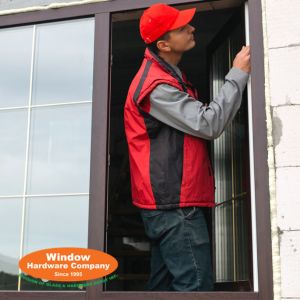 Casement hinges support the sash and guide it outward as the crank is turned. As hinge pivots, shoes, or tracks wear, one side of the sash can sit lower than intended.
The first sign may be subtle. You might need to lift the sash slightly to close it, or the lower corner may begin touching the frame. Over time, the additional drag can place more strain on the operator arms and gears.
To check for sag, partly open the window and compare the spacing around the sash. Watch whether the top and bottom move together or one edge drops as the window travels.
Rubbing Can Feel Like Operator Failure
When the crank becomes difficult to turn, the operator is often blamed first. However, the mechanism may simply be working against a sash that is rubbing on the sill or frame.
Do not force the crank through the resistance. This can strip the handle, damage the operator gears, or bend an arm. Where the design permits, disconnect the operator arm and move the sash carefully by hand. Continued binding points toward the hinges, track, alignment, or an obstruction rather than the operator itself.
Poor Sealing and Uneven Gaps Are Important Clues
A sagging sash may not pull evenly against the weatherstripping. This can produce visible gaps, drafts, water entry, or a lock that no longer aligns with its keeper.
Inspect the full perimeter when the window is closed. One compressed corner paired with a wider gap elsewhere often indicates that the sash is no longer travelling squarely. Our guide to what causes a window to sag on one side provides additional signs to check.
The lock should secure the window, but it should not be expected to pull a severely misaligned sash back into position.
Inspect the Hinge Tracks
Dirt, hardened residue, corrosion, loose screws, or a distorted track can interrupt hinge movement. Clean accessible areas and inspect the track shoes, pivots, arms, and fasteners.
If a fastener is loose, determine why before tightening it. Enlarged holes, damaged framing material, or distorted components may require more than a simple adjustment. Follow the window or hardware manufacturer’s directions before applying lubricant.
Replacement Geometry Must Match
Hinges that share a general shape can still differ in track length, arm length, pivot placement, sash capacity, and mounting pattern. These measurements influence the sash’s path and closing position.
Before ordering, record any stamped numbers and photograph both hinges, their tracks, mounting holes, and the complete window. Measure from consistent reference points and note the handing where applicable.
Truth hinges should be selected by their specifications and geometry, not appearance alone. Correctly matched window hinges can restore the intended sash path, reduce unnecessary stress on the operator, and help the window close evenly against its seal. Window Hardware Company can help compare your existing hardware with available replacements using clear photographs and measurements.